Beyond the Video Call
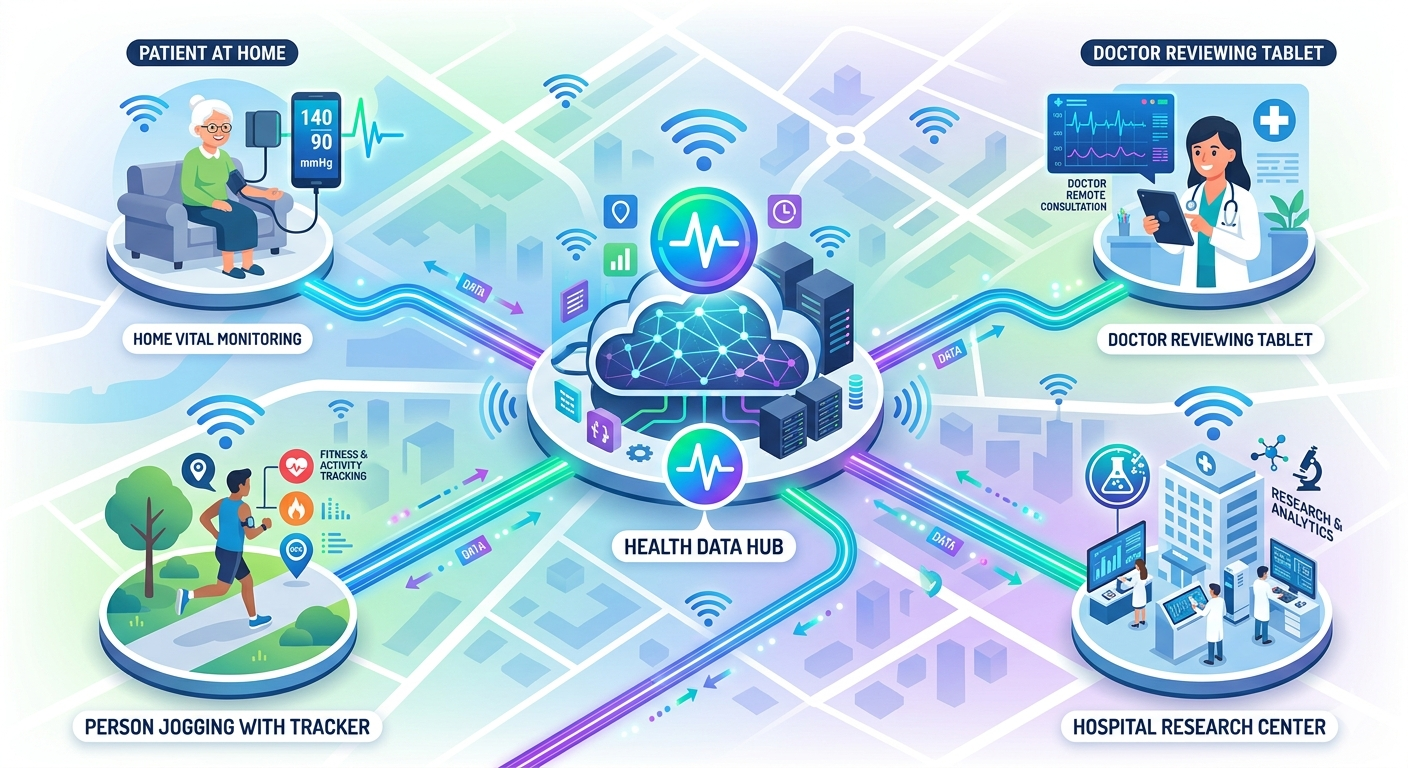
While the initial wave of telehealth focused on simple video consultations, Telehealth 2.0 is defined by Remote Patient Monitoring (RPM). This method involves the use of FDA-cleared devices—such as smart blood pressure cuffs, continuous glucose monitors (CGMs), and digital scales—that transmit data directly to a physician’s dashboard in real-time.
Clinical and Financial Benefits
-
Reduced Readmission Rates: For patients recovering from cardiac surgery, RPM allows doctors to intervene the moment a vital sign fluctuates, preventing the need for re-hospitalization.
-
Improved Management of Hypertension: Continuous monitoring provides a more accurate “white coat-free” look at a patient’s daily health, leading to better medication adjustments.
-
New Revenue Streams for Practices: Many healthcare systems (such as Medicare in the US) have introduced specific reimbursement codes for RPM, making it a profitable venture for private practices to adopt this technology.
The Future of Decentralized Clinical Trials
RPM technology is also revolutionizing how pharmaceutical companies conduct clinical trials. By monitoring participants remotely, companies can recruit a more diverse global pool of candidates, accelerating the time-to-market for life-saving drugs. This intersection of “Big Pharma” and “MedTech” creates some of the highest CPC opportunities in the digital health space.