Introduction
The unpredictability of climate change has rendered many traditional indemnity-based insurance models inefficient. In response, the industry has seen the rise of Parametric Insurance. Unlike traditional policies that pay based on the “actual loss sustained,” parametric insurance pays out a pre-agreed amount based on a specific trigger event, such as a magnitude 7.0 earthquake or a specific wind speed during a hurricane.
The Speed of Recovery
The primary advantage of the parametric model is speed. Because there is no lengthy claims adjustment process or damage assessment, funds can be disbursed within days of the event. This is crucial for:
-
Agriculture: Protecting farmers against drought or excessive rainfall.
-
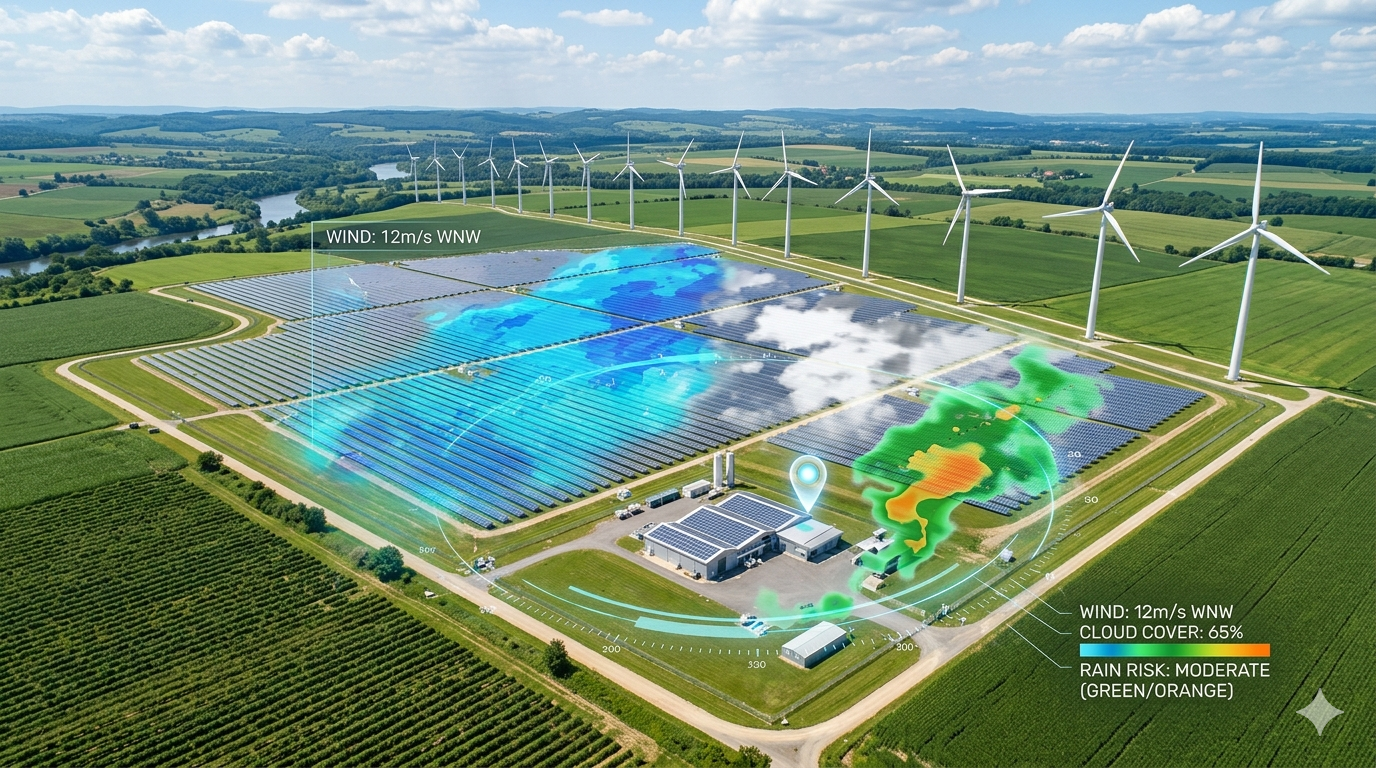
Renewable Energy: Covering losses when wind speeds are too low for turbines or sun hours are insufficient for solar farms.
-
Hospitality: Compensating resorts for “loss of attraction” following a natural disaster, even if the physical property remains intact.
Bridging the Protection Gap
In many emerging markets, traditional insurance is either unavailable or prohibitively expensive. Parametric insurance bridges this “protection gap” by utilizing satellite data and IoT sensors to provide objective, transparent triggers. This transparency reduces the cost of underwriting and eliminates the risk of “moral hazard,” where a policyholder might exaggerate a claim.
Integration into Corporate ESG Strategies
As companies are increasingly required to report on their Environmental, Social, and Governance (ESG) risks, parametric solutions provide a quantifiable way to manage climate exposure. Investors view companies with parametric protection as more resilient, leading to better credit ratings and lower capital costs. This niche is currently one of the highest-value sectors in the reinsurance and capital markets.