
A New Model for a Changing Climate
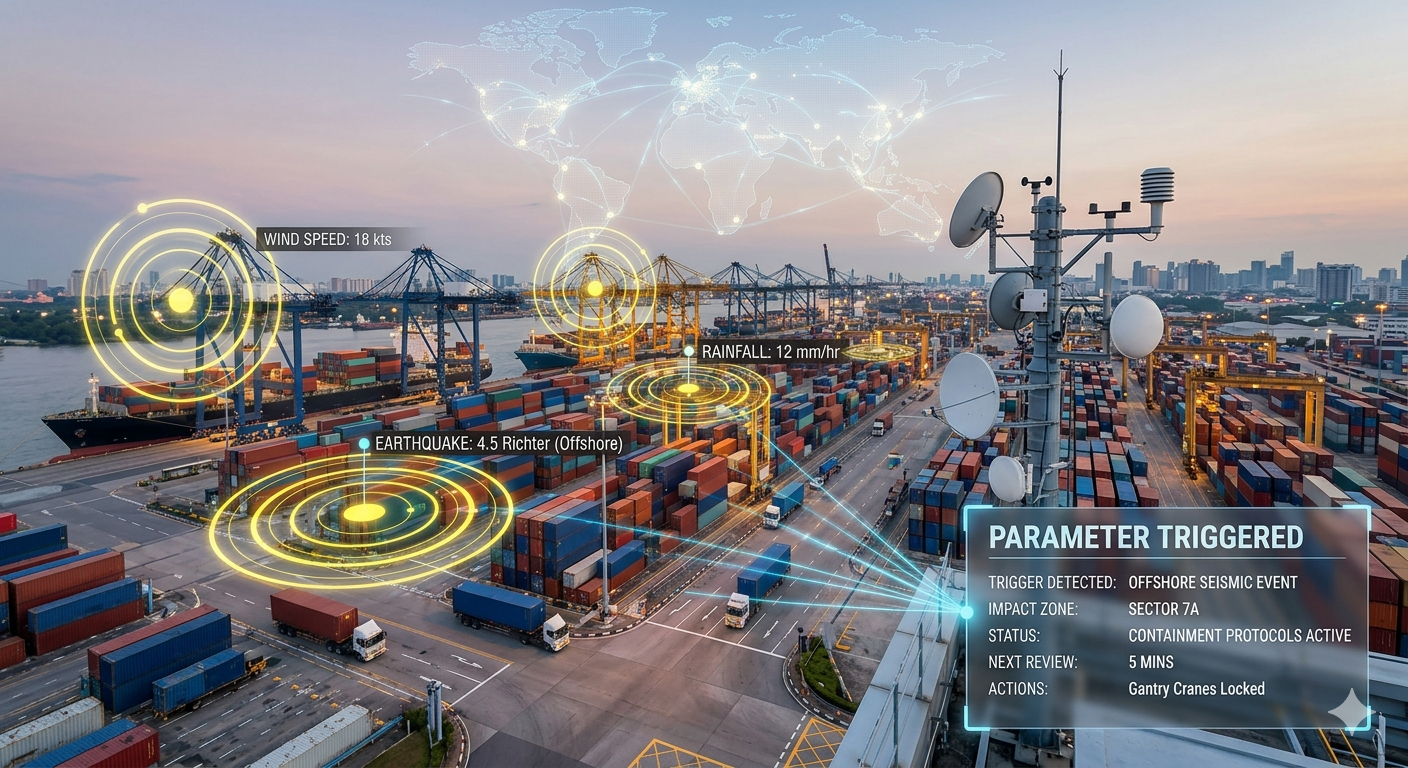
Traditional insurance relies on loss adjustment—a slow process of proving damage. Parametric Insurance flips this model. Payouts are triggered automatically when a specific, objective “parameter” is met, such as a wind speed threshold during a hurricane or a specific Richter scale reading during an earthquake.
Solving the Liquidity Gap
For industries like agriculture, renewable energy, and global logistics, the biggest threat is the lack of immediate cash flow following a disaster.
-
Immediate Payouts: Funds are often released within days, not months, allowing businesses to restart operations immediately.
-
No Dispute over Damage: Since the trigger is a verified data point (e.g., from a satellite or weather station), there is no lengthy claims investigation.
Institutional Adoption
We are seeing a massive surge in parametric adoption among municipal governments and global supply chain managers. It provides a “first-response” financial layer that covers the indirect costs of climate events, such as supply chain breaks or lost business income, which traditional policies often exclude.
Conclusion
As climate volatility increases, parametric insurance represents the cutting edge of financial technology. It is an essential tool for any organization looking to build a climate-resilient balance sheet in 2026.