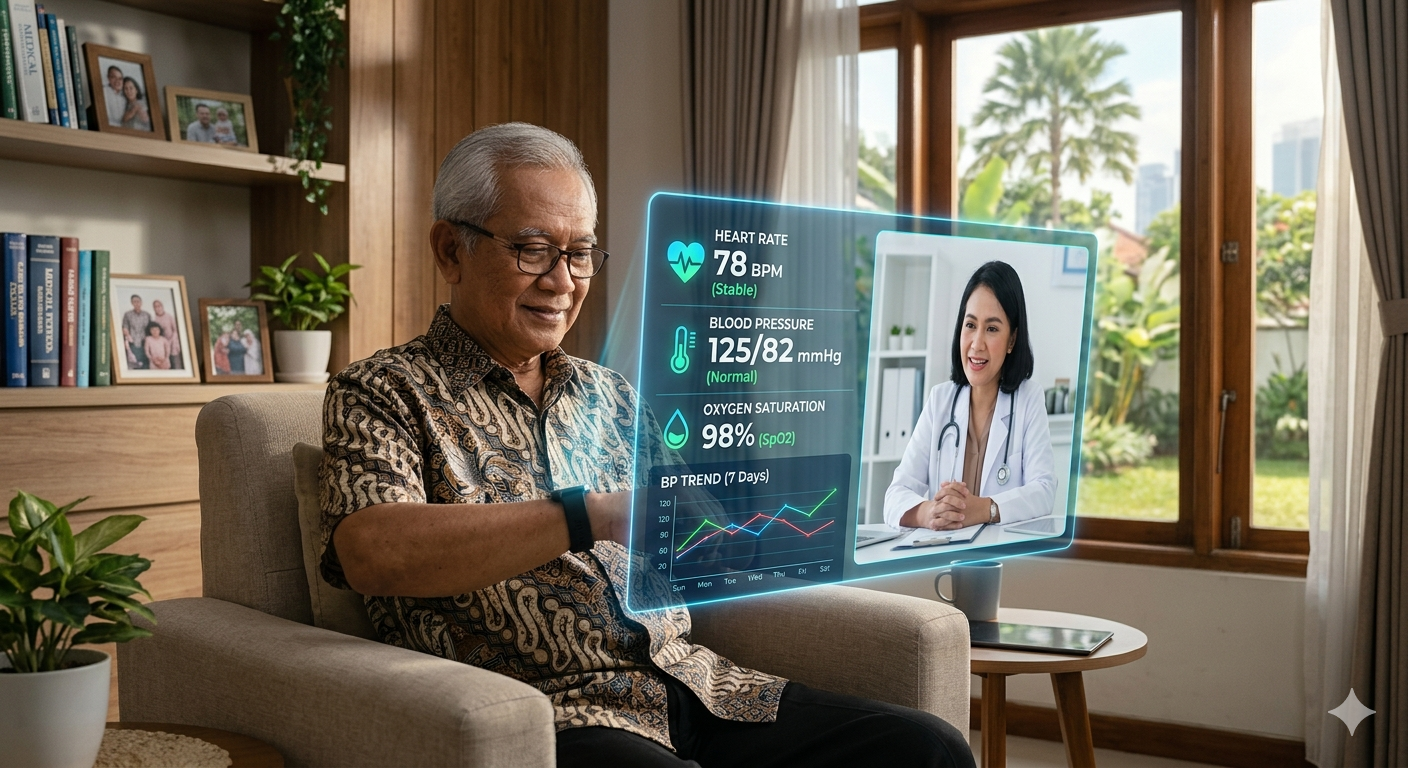
The global healthcare landscape is undergoing a seismic shift from traditional in-person consultations to a digitally-integrated Telehealth 2.0 model. This evolution is not merely about video calls; it is about the sophisticated integration of Artificial Intelligence (AI) and Remote Patient Monitoring (RPM) devices that provide real-time physiological data to clinicians.
Bridging the Gap with RPM
Remote Patient Monitoring is revolutionizing chronic disease management. By utilizing wearable sensors that track blood pressure, glucose levels, and heart rate variability, providers can intervene before a medical emergency occurs. For healthcare investors and SaaS developers, this represents a massive frontier in preventative care, reducing hospital readmission rates by an estimated 30%.
AI-Driven Clinical Decisions
AI algorithms are now capable of scanning thousands of data points to identify patterns that the human eye might miss. From predicting early-stage oncology markers to optimizing hospital staffing through predictive analytics, the efficiency gained through Health Tech automation is drastically lowering operational costs. This efficiency is a primary driver for premium insurance providers looking to partner with tech-forward medical networks.